
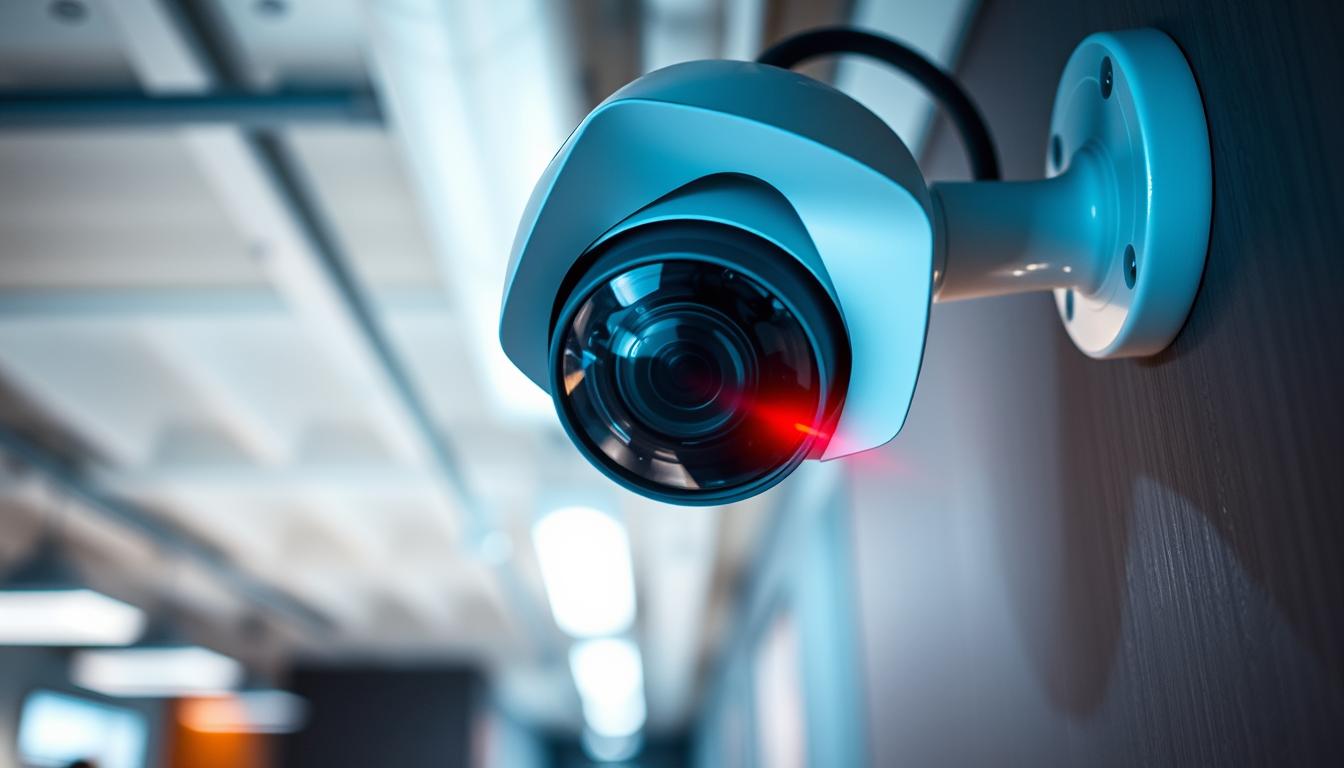
One of the most common misconceptions in the surveillance industry is that all security cameras offer the same level of protection. While most cameras can record events, not all cameras are designed to actively prevent them.
At AngelsCorp, we often ask clients a simple question during consultations: Do you want footage of an incident, or would you prefer to stop the incident from happening in the first place?
The answer often determines the type of surveillance solution we recommend.
Traditional recording cameras are designed primarily to capture footage when movement is detected or during scheduled recording periods. Their role is to document activity and provide evidence after an event has taken place. This approach remains effective for many environments and is often sufficient where monitoring and incident review are the primary objectives.
Deterrence cameras, however, introduce another layer of security. These systems are designed not only to detect activity but also to respond to it. When a person enters a protected area, the camera can activate flashing lights, trigger audible warnings, send alerts to security personnel, or initiate other deterrent measures.
The difference may seem small, but in practice it can be significant.
A traditional recording camera may provide excellent footage of an intruder entering a property. A deterrence camera may convince that same individual to leave before any loss or damage occurs.
From our experience in the field, opportunistic criminals typically prefer easy targets. The moment they realise they have been detected, illuminated, and potentially identified, many choose to abandon their attempt altogether.
This does not mean every site requires active deterrence technology. The right solution depends on the property's risk profile, operating environment, and security objectives. Some locations require detailed monitoring and evidence collection, while others benefit from a more proactive approach that discourages incidents before they develop.
That is why AngelsCorp begins every project with a site assessment. Understanding the risks allows us to recommend the most effective solution, whether that is intelligent event recording, active deterrence, or a combination of both.
The best surveillance systems do not simply record what happened. They help influence what happens next.