
One of the biggest mistakes property owners make is purchasing cameras before understanding what they are trying to protect.
At AngelsCorp, we often receive calls from clients who already have cameras installed but still experience theft, vandalism, or operational challenges. In most cases, the issue is not the quality of the cameras. The problem is that the system was installed without first understanding the risks on the site.
A surveillance system should never be designed from a catalogue. It should be designed around the environment.
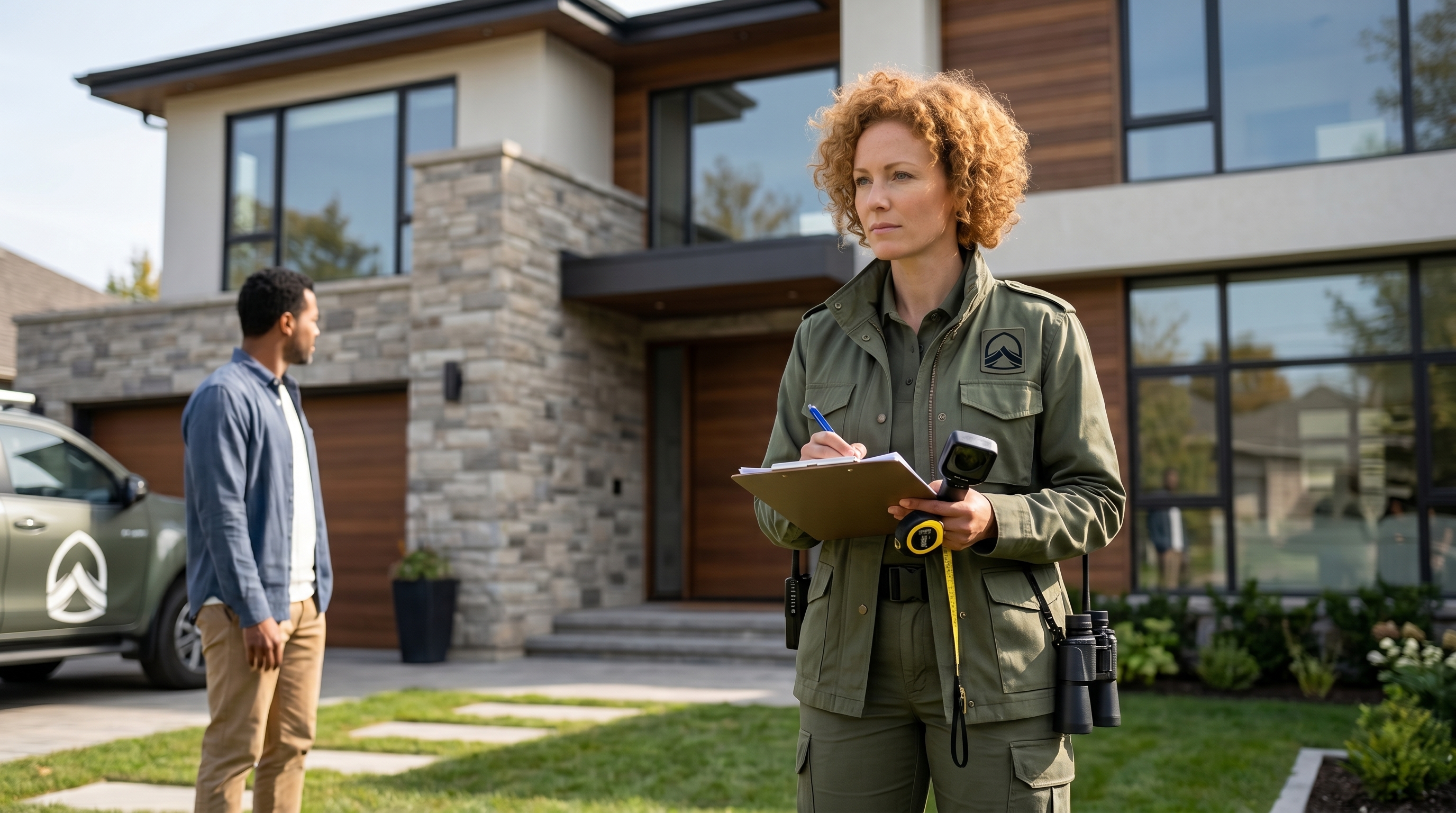
Before recommending any solution, our team conducts a site assessment to understand how people, vehicles, staff, visitors, and potential intruders move through the property. We look at access points, natural blind spots, lighting conditions, existing security measures, and the assets that require protection.
For example, many clients request cameras overlooking a gate because it appears to be the most obvious risk area. However, during assessments we frequently discover that perimeter breaches occur elsewhere, staff entrances create greater exposure, or poor lighting prevents cameras from capturing usable evidence at night.
A site assessment also helps us determine what type of surveillance technology is most suitable. A warehouse, residential property, retail store, and construction site all have different security requirements. Installing the wrong camera in the wrong location often leads to disappointment and unnecessary costs.
Another important consideration is future growth. We assess whether the system may need expansion later, ensuring that today's installation can accommodate tomorrow's requirements without costly upgrades.
At AngelsCorp, we view surveillance as more than simply recording events. The objective is to create visibility where it matters most, deter criminal activity, and provide actionable information when incidents occur.
This is why we encourage every client to begin with a professional site assessment. The time spent understanding the risks before installation often makes the difference between a system that merely records footage and one that genuinely improves security.