
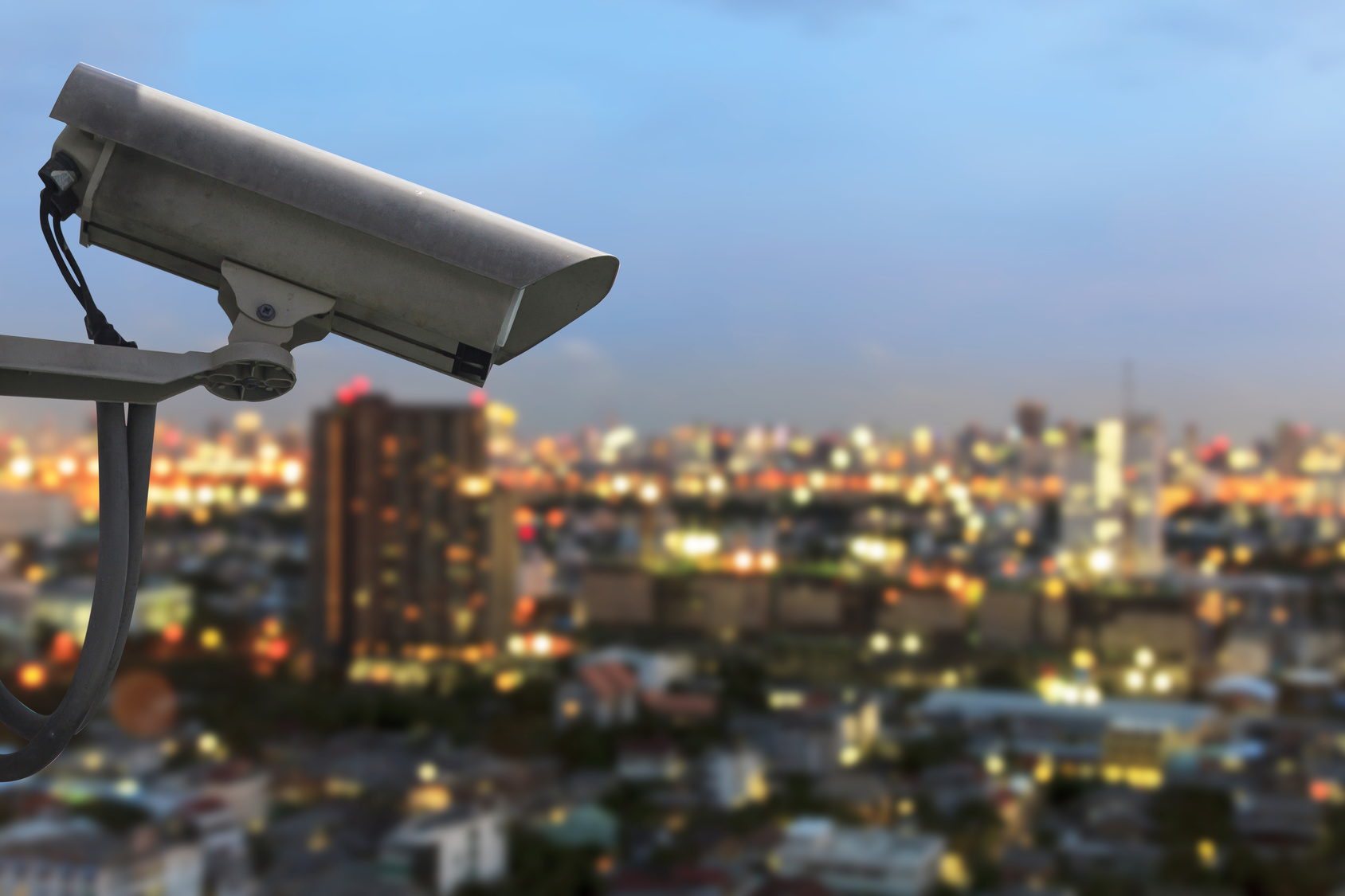
Over the years, we have attended countless sites where clients believed they had adequate surveillance coverage, only to discover after an incident that the camera responsible for capturing the event was pointing in the wrong direction, mounted too high, or simply too far away to provide useful evidence.
One of the biggest misconceptions in surveillance is that more cameras automatically mean better security. In reality, camera positioning is often more important than the number of cameras installed.
At AngelsCorp, we begin every installation by asking a simple question: "What do you need this camera to achieve?" The answer determines where the camera should be positioned.
If the objective is to identify faces, the camera must be positioned differently than if the goal is to monitor vehicle movement, oversee staff activity, or provide general situational awareness. A camera that offers a wide view of a parking area may be excellent for monitoring activity but completely ineffective when trying to identify a suspect's face.
Height also plays a critical role. Cameras mounted too high often capture the tops of heads rather than facial details. While elevated cameras provide a broader view, they can reduce the quality of evidence when an incident occurs. Finding the balance between coverage and identification is where experience matters.
Lighting conditions are another factor frequently overlooked. A camera facing directly into sunlight during certain times of the day may produce glare and poor image quality. Similarly, entrances with bright backgrounds can make individuals appear as silhouettes if camera placement is not carefully considered.
We also pay close attention to choke points. Gates, entrances, exits, reception areas, loading zones, and corridors naturally funnel movement through specific locations. Positioning cameras at these points significantly increases the likelihood of capturing clear, usable footage when needed.
A properly positioned camera should not simply record activity. It should provide information that can be used to verify incidents, support investigations, and assist decision-making. This requires careful planning, site knowledge, and an understanding of how people move through a property.
At AngelsCorp, we believe surveillance is not about filling a building with cameras. It is about ensuring every camera has a purpose. Proper positioning transforms a camera from a passive recording device into an active security asset that delivers value when it matters most.